A bakery sample can taste excellent on a quiet Tuesday and become a headache once you put it into a busy café.
The real test is whether the product sells consistently, portions cleanly, stores sensibly, works with the way your team serves customers and arrives reliably enough for you to reorder without creating extra work.
Choosing a wholesale bakery supplier for your café therefore involves a few more questions than whether you like the brownie.
If you are comparing wholesale cookies, wholesale traybakes or café cakes, these are the seven things worth checking before you commit.
1. Start With What Will Actually Sell in Your Café
Begin with your customers and your counter.
A busy commuter coffee shop has different requirements from a neighbourhood café where people sit for an hour. A premium independent café may want distinctive products that support a higher selling price. A high-volume site may place greater weight on speed of service, predictable portions and easy stock management.
Look at what already sells well.
Are customers choosing familiar chocolate products? Are traybakes stronger than cakes? Do people tend to add something small to a coffee, or are you selling substantial desserts?
Your wholesale cafe cake range needs enough familiarity for customers to understand it quickly, with enough distinction to give them a reason to choose it.
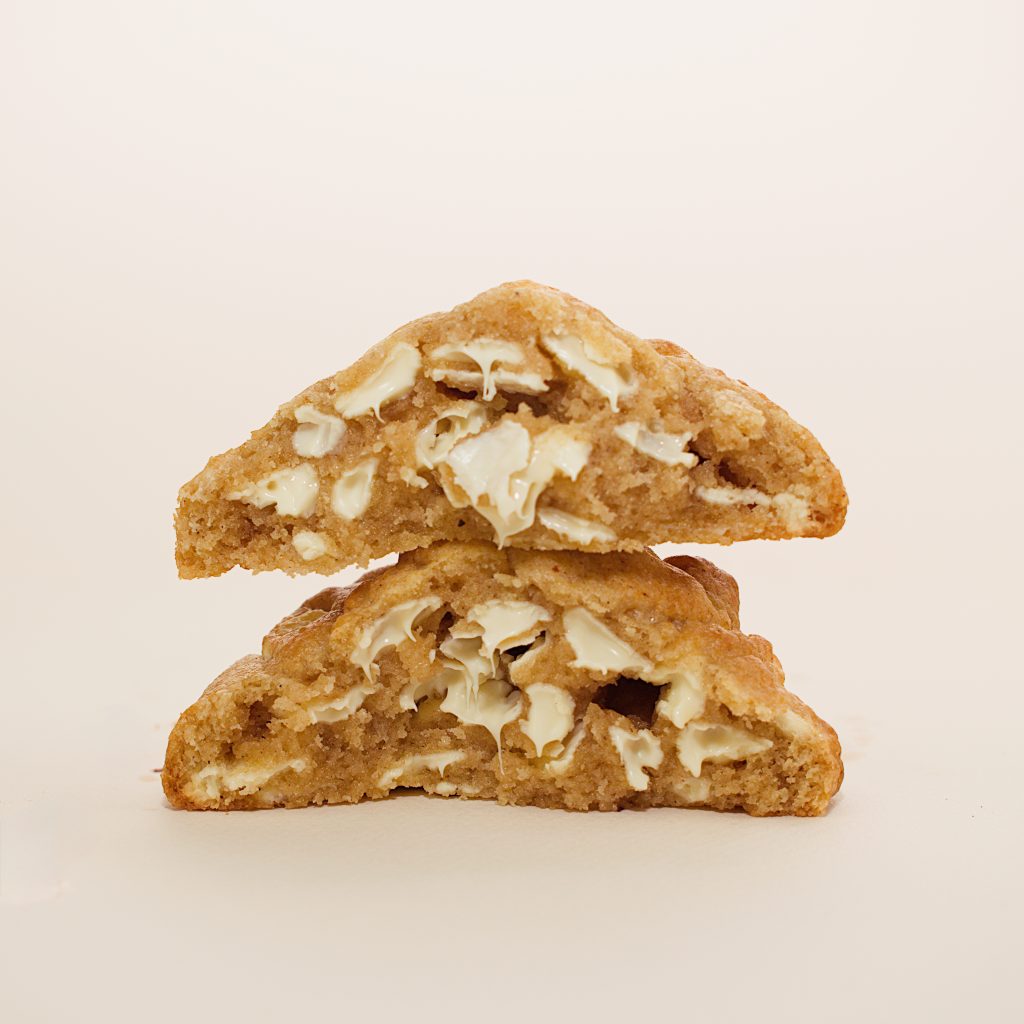
That distinction can come from format, size, texture or flavour. A thick bakery-style cookie has a different presence on a counter from a standard biscuit. A familiar flavour inspired by a classic British dessert can also give customers something recognisable with a point of difference.
Avoid choosing products entirely from a supplier catalogue. Think about the role each product will play on your own counter.
2. Work Out the Cost Per Sellable Portion
Wholesale price matters. The useful figure is the cost of the portion you can actually sell.
For an individually portioned cookie, that calculation is fairly simple.
For cakes and traybakes, look at the price of the complete product alongside the realistic number of portions you will cut from it.
A tray costing £18 and producing twelve usable portions gives you a £1.50 product cost per portion before packaging, wastage and other serving costs.
Then compare that figure with your intended selling price.
A useful commercial calculation is:
Selling price − product cost − expected waste − serving or packaging costs = contribution before broader overheads
This gives you a more useful comparison than looking at case price alone.
Portion size matters here too.
Cheaper wholesale traybakes can become expensive when staff regularly cut oversized slices. A slightly higher-priced product with clear and consistent portions can be easier to control.
Ask the supplier how many portions they expect each tray or cake to produce, then test that yourself.
Your customers, plates and serving style may lead you to a different answer.
3. Check Case Sizes, Shelf Life and Likely Waste
Large case sizes can create impressive unit economics on paper.
They also create risk when your sales volume cannot clear the stock.
For independent cafés, flexibility can be extremely valuable. You need enough stock to remain available through busy periods without filling every shelf and freezer with slow-moving bakery products.
Before ordering, establish the case size, minimum order, shelf life and storage requirements for each product.
Then compare those figures with your actual sales.
If you expect to sell six cookies per day, a case containing several weeks of stock needs suitable shelf life and storage. If a cake needs to be sold quickly once opened, think about how many slices you realistically sell during that period.
Waste deserves its own line in the calculation.
One product costing £1.20 with frequent waste can generate a weaker return than a £1.40 product that sells consistently and stores well.
Your first few orders should give you enough information to adjust stock levels.
Start with sensible quantities, record sales and waste, then build your regular order around what customers actually buy.
4. Think About Storage and Service Before Adding Anything to the Menu
Every product takes up space and staff time.
Ask your wholesale bakery supplier what happens between the delivery arriving and the customer receiving the finished product.
Does it arrive ready to display?
Does it need defrosting?
Does it require chilled storage?
Will staff need to portion it?
Does it need heating before service?
Does it require additional packaging?
How long does preparation take during a busy service?
A product with good margins can become frustrating when it requires several extra steps every time somebody orders it.
Storage is equally important.
Freezer space is valuable in many cafés. Chilled display space can be even tighter. Ambient products can simplify stock management where their shelf life and food-safety requirements allow it.
There is no universally correct format.
Fresh, frozen, chilled and ambient products each suit different businesses. The strongest option is the one that fits the space, equipment and service routine you already have.
A café with generous freezer capacity may value frozen stock that can be managed around demand. A smaller operation may prefer wholesale traybakes that arrive ready to display.
Treat storage requirements as part of the buying decision from the beginning.
5. Look for Consistency From One Delivery to the Next
Customers expect the cookie they buy next Thursday to resemble the one they enjoyed this Thursday.
That means weight, portion size, flavour, texture and appearance need to remain reasonably consistent.
Consistency also makes life easier for the café.
If traybake dimensions change regularly, your expected portion yield changes. If cookie sizes vary significantly, the counter display becomes harder to price and present. If cakes arrive with different finishes each week, photography and menu descriptions become less reliable.
Ask a potential wholesale bakery supplier how products are portioned and specified.
For individual products, find out the expected weight.
For cakes and traybakes, ask about product dimensions and recommended portions.
Then look at several products from different batches where possible.
A sample tells you whether you enjoy the product. Repeat orders tell you whether the supplier can reproduce it.
Both matter.
6. Make Sure Ingredient and Allergen Information Is Easy to Use
Allergen information needs to work in a real café. Bakery suppliers for cafes should supply this information readily.
Your team should be able to answer customer questions accurately without hunting through old emails or guessing from the product name.
A useful wholesale bakery supplier should provide clear ingredient and allergen information for its range and keep that information current when recipes change.
The Food Standards Agency requires food businesses to provide allergen information for food they sell and to manage allergens effectively.
That makes supplier documentation part of your own food-safety system.
When assessing a product, establish which regulated allergens it contains, how the product is labelled, whether precautionary allergen information applies, and how you will be told about recipe changes.
Dietary descriptions also need care.
Terms such as plant-based, vegan, wheat-free and gluten-free can describe different things. Your customer-facing information should accurately reflect the product and the environment in which it has been produced.
Keep the information somewhere your staff can access easily during service.
7. Test the Ordering Process as Carefully as the Product
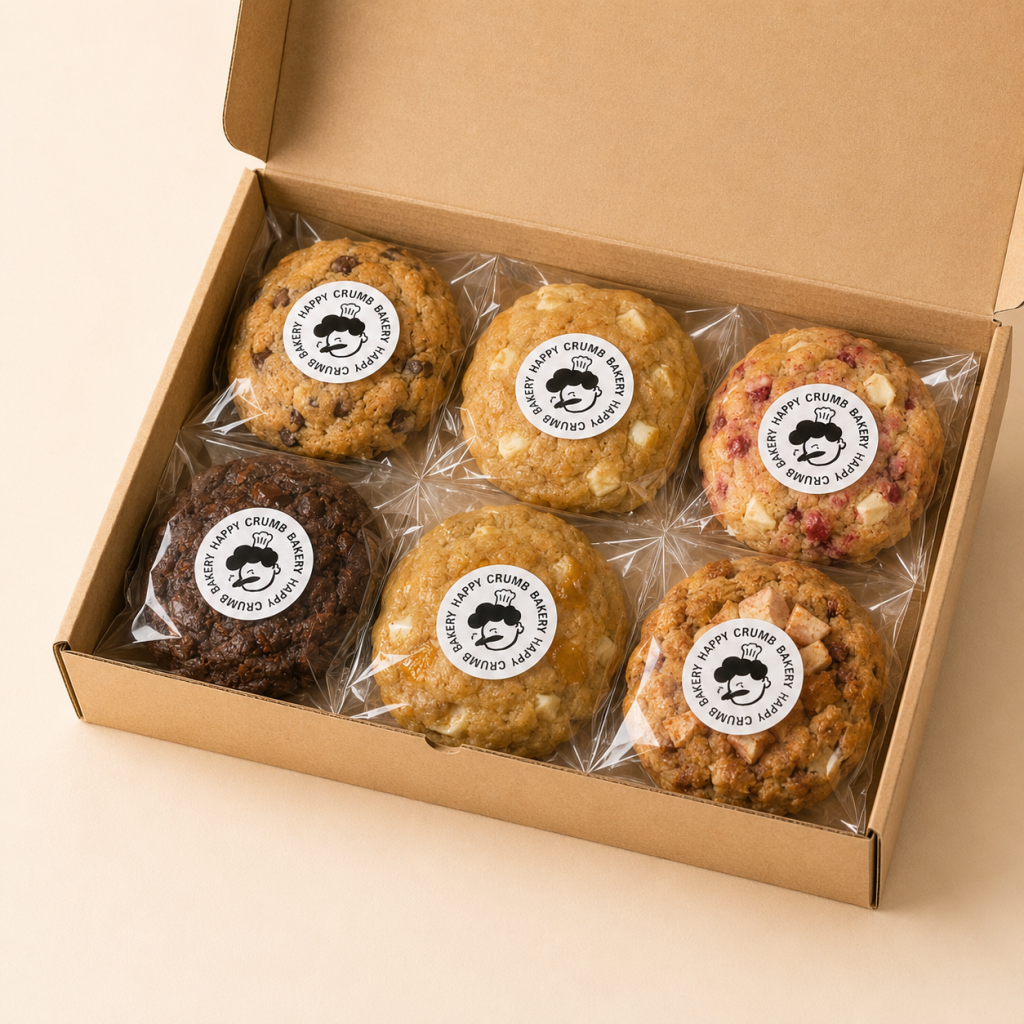
The relationship begins after the tasting box.
Once a product becomes part of your regular menu, ordering and delivery become part of the operation.
Ask how much notice the supplier needs, which days they dispatch or deliver, whether there is a minimum order value and what happens when a product is unavailable.
Communication matters too.
If a delivery is delayed, you need to know.
If a recipe changes, you need to know.
If a regular item is being discontinued, early notice gives you time to adjust the menu.
Place a trial order before building a large part of your offer around a supplier.
Pay attention to the complete process: ordering, confirmation, delivery, packaging, product condition and any documentation supplied with it.
A strong wholesale relationship should become routine.
That is the goal.
Wholesale Bakery Supplier Checklist at a Glance
| Check | Question to ask |
|---|---|
| Customer fit | Will my customers understand and want this product? |
| Commercials | What is my actual cost per sellable portion? |
| Waste | How quickly does it need to sell once opened or defrosted? |
| Storage | Does it fit my available ambient, chilled or frozen space? |
| Service | How much preparation does my team need to do? |
| Consistency | Are weights, portions and specifications dependable? |
| Allergens | Can my team access accurate ingredient and allergen information easily? |
| Ordering | Are minimums, lead times and delivery arrangements practical? |
Should You Choose Fresh, Frozen or Ambient Bakery Products?
The format should follow your operation.
Fresh products can work beautifully when turnover is predictable and deliveries fit your trading pattern.
Frozen stock can give a café more control over when products enter service and can help manage quieter and busier trading days.
Ambient products can reduce pressure on chilled and frozen storage where the product has been developed for that format.
Consider the whole stock cycle.
Think about how the product arrives, where it will be stored, how long it remains saleable, when staff need to prepare it and what happens to unsold stock.
The strongest product is the one your café can serve consistently while protecting quality and commercial return.
Should You Sample Wholesale Bakery Products First?
Yes.
Taste the product in the way your customer will experience it.
If the cookie will sit on the counter before being served, test it after that period.
If a traybake will be defrosted before service, evaluate it after defrosting.
If the product will be warmed, test the warming method your team will actually use.
Then look beyond flavour.
Check the size, appearance, packaging, ease of portioning and storage.
A wholesale sample is a small operational test.
Treat it like one.
Choosing Wholesale Cookies and Traybakes for a Café
Wholesale Cookies and wholesale traybakes work particularly well in cafés because individual portions can be simple to display, price and serve.
The details determine how well they work commercially.
For cookies, look at portion size, individual packaging where relevant, freshness and how well the product holds its texture.
For traybakes, portion yield becomes especially important. A product that cuts cleanly into consistent slices is easier to cost and serve.
Think about the range as a whole too.
Several products that look almost identical can make a counter feel repetitive. A smaller selection containing familiar favourites alongside one or two distinctive flavours can create more interest without adding unnecessary stock lines.
How Crumb Supply Is Approaching Wholesale Bakery Products
At Happy Crumb Bakery, our wholesale work is moving into Crumb Supply, a range being developed specifically for cafés, hospitality businesses and growing operators.
The opening range focuses on wholesale cookies and traybakes alongside café cakes.
We are developing the products around the things that matter once they leave our bakery: consistent portions, strong counter appeal and commercially workable pricing.
For us, that means thinking about the café operation as well as the bake.
A product has to taste good. It also needs to earn its space on the counter.
If you are currently reviewing your bakery range, you can explore our wholesale cookies and traybakes for cafés and register your interest in Crumb Supply for range, pricing and account information.
Wholesale Bakery Supplier FAQs
What should I ask a wholesale bakery supplier?
Ask about product specifications, portion sizes, prices, minimum orders, case sizes, shelf life, storage, allergen information, lead times and delivery arrangements. You should also understand how the supplier communicates recipe changes, stock shortages and other changes that could affect your café.
How much profit should a café make on wholesale cakes and cookies?
There is no single percentage that works for every café. Your selling price needs to reflect product cost, waste, labour, packaging, VAT where applicable and the broader overheads of the business. Calculate the contribution from each sellable portion using your own costs and expected selling price.
How can a café reduce bakery waste?
Begin with conservative order quantities and record how many units sell each day. Choose case sizes and storage formats that suit your actual sales volume. Consistent portion control also helps because oversized slices quietly reduce the number of portions available from a cake or tray.
Are wholesale cookies suitable for independent cafés?
They can be. Cookies are individually portioned, straightforward to price and easy for customers to add to a drink order. Their commercial performance depends on purchase cost, selling price, shelf life, storage and whether the product appeals to the café’s customers.
Do I need allergen information from my bakery supplier?
Yes. Your business needs accurate information about the food it sells so you can provide customers with the required allergen information. Ask suppliers for clear, current documentation and establish how they communicate any recipe or ingredient changes. More information can be found at the Food Standards Agency.